The Montessori approach, founded by Dr. Maria Montessori in the early 1900s, remains one of the most respected and influential early childhood education philosophies in the world. Rooted in scientific observation, respect for the child, and a deep belief in the importance of independence, Montessori education provides a calm, structured, and purposeful environment in which children can thrive. Dr. Montessori’s work began in the San Lorenzo district of Rome, where she observed that children learn best when they are allowed to follow their natural curiosity and work at their own developmental pace. Rather than imposing learning from the outside, her method focuses on nurturing the child’s intrinsic motivation and supporting the growth that unfolds from within. Today, Montessori schools use her principles to create settings where children become confident, capable learners with a strong sense of self and community.
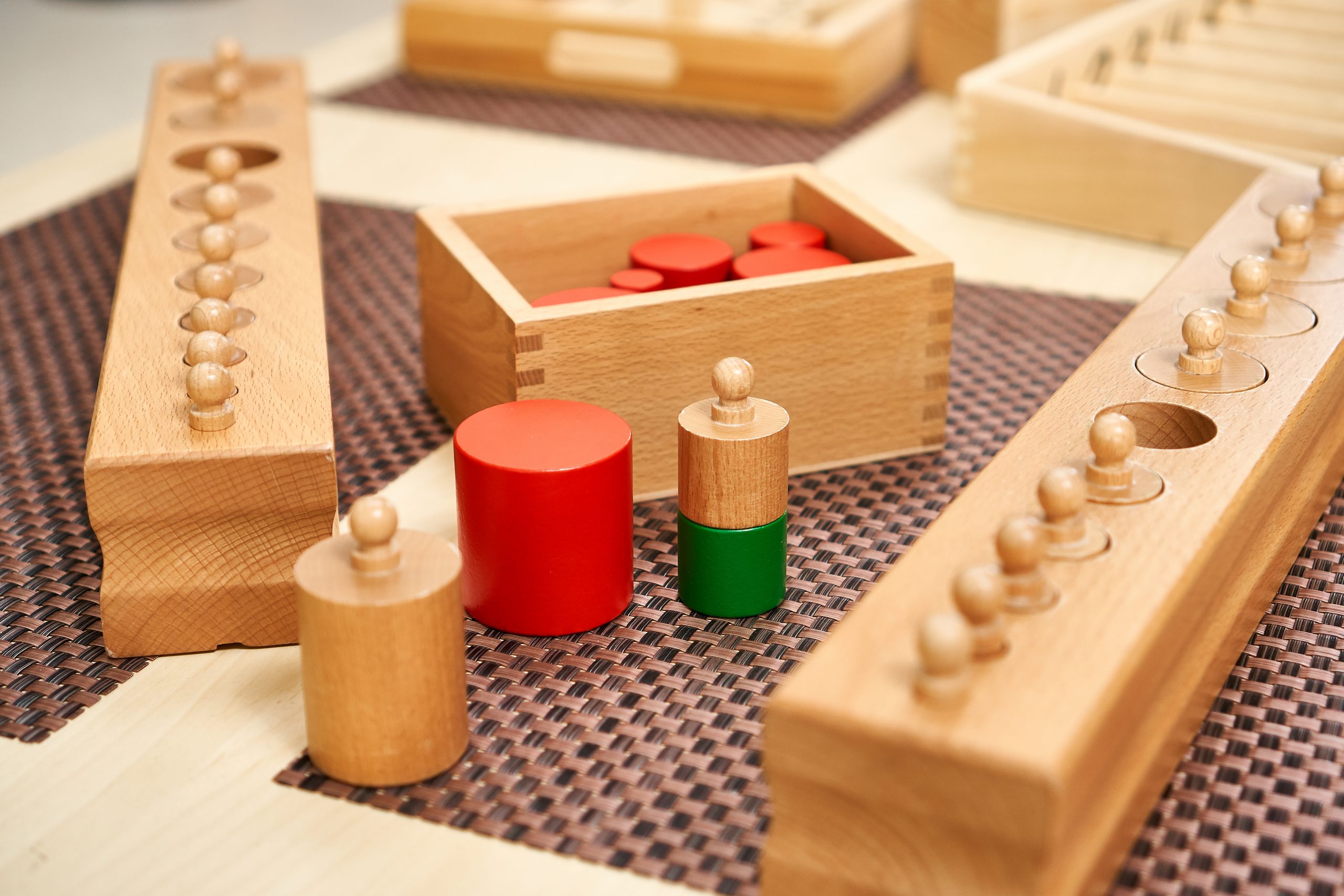
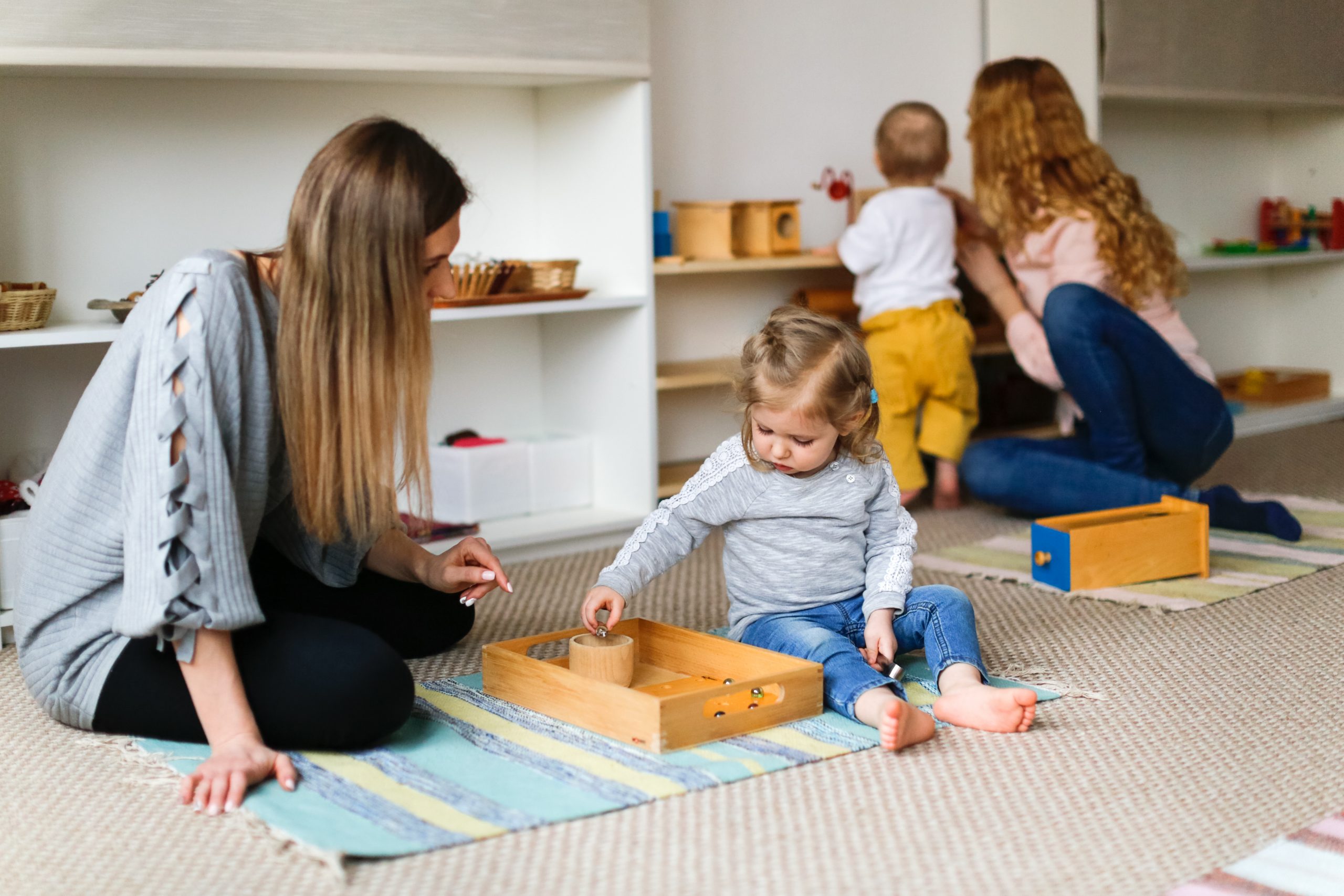
At the core of Montessori education is the belief that children are naturally eager to learn and—when given freedom within boundaries—can guide much of their own development. Montessori environments are thoughtfully prepared to offer meaningful choices, carefully designed materials, and opportunities for hands-on exploration. These materials are not merely educational tools but are deliberately crafted to isolate particular skills or concepts. By working with them independently, children develop concentration, problem-solving abilities, and deep understanding. Each classroom is arranged to encourage order, beauty, and calmness, helping children feel secure, respected, and able to engage fully in learning.
A distinguishing feature of Montessori teaching is its focus on independence. Montessori practitioners observe children closely to understand what they need developmentally and then gently guide them towards activities that will support that growth. Instead of direct instruction in the traditional sense, adults act as facilitators—introducing materials, modelling respectful behaviour, and stepping back to allow children to practise and master skills at their own pace. This approach fosters autonomy, resilience, and a sense of competence. Children learn how to make choices, manage routines, care for themselves and their environment, and work collaboratively with their peers. These life skills build confidence and lay the foundation for future academic and social success.
Mixed-age groupings are another natural part of Montessori settings. Rather than separating children strictly by year, Montessori environments bring together a three-year age span, allowing younger children to learn from older role models and older children to develop leadership, empathy, and communication skills. This dynamic creates a harmonious community where cooperation is prioritised over competition. Children learn to respect one another, celebrate each other’s achievements, and contribute positively to the classroom culture. The result is a warm, inclusive atmosphere where every child feels valued.
Montessori education also emphasises the importance of giving children uninterrupted blocks of time to engage in their work. This allows them to dive deeply into their chosen activities, repeat tasks until they achieve mastery, and experience the satisfaction of self-driven accomplishment. Research supports Dr. Montessori’s early findings: when children are given opportunities for sustained concentration, their cognitive abilities, emotional regulation, and persistence improve. Montessori classrooms purposely minimise distractions and create predictable routines so that children can develop focus—a vital skill in an increasingly busy world.
Another key aspect of the Montessori method is its holistic view of child development. Rather than focusing solely on academic achievement, Montessori nurtures the whole child—intellectually, socially, emotionally, and physically. Activities involving practical life skills, sensorial exploration, early mathematics, language development, creativity, and cultural understanding all work together to build a well-rounded learning experience. Children learn not only how to count or write but also how to care for plants, prepare snacks, pour water, organise their belongings, and interact politely with their peers. These everyday tasks may appear simple, but they help children build coordination, independence, and confidence—qualities that underpin later academic and social success.
Why is Montessori considered such a strong approach for early childhood education? One of the main reasons is that it aligns closely with how young children naturally learn. Rather than pushing formal instruction too early, Montessori respects children’s developmental stages and offers materials that meet them exactly where they are. This prevents frustration, promotes joy in learning, and allows children to progress naturally when they are ready. Because learning is self-directed, children develop a lifelong love of discovery. They become motivated not by external rewards or pressure but by the intrinsic satisfaction of mastering a skill.
Montessori also nurtures important skills that benefit children long beyond their nursery years. Independence, problem-solving, collaboration, emotional regulation, respect for others, and resilience are all woven into daily activities. These skills form the foundation for confident learners who can adapt to new environments, work well with others, and approach challenges with positivity. Many parents appreciate that the Montessori approach promotes calmness, responsibility, and mindfulness—qualities particularly valuable in today’s fast-paced, digital world.
Additionally, Montessori’s emphasis on hands-on learning helps children build strong cognitive connections. By physically manipulating objects, sorting materials, pouring, building, tracing letters, and exploring textures, children engage multiple senses, which enhances memory and understanding. This sensorial foundation supports later mathematical reasoning, literacy development, and critical thinking. Montessori materials follow a logical progression, allowing children to move from concrete experiences to more abstract concepts. This ensures that children develop deep, secure knowledge rather than superficial understanding.
Social development is another powerful strength of Montessori. Children in a Montessori setting learn how to communicate respectfully, share space, wait patiently, and support their peers. Through mixed-age interaction, they experience mentoring and being mentored, which builds empathy and cooperation. Classrooms are designed to promote peaceful conflict resolution and encourage children to take responsibility for their actions. This nurturing environment helps children develop emotional intelligence—an essential skill in both academic settings and everyday life.
Overall, the Montessori method offers a thoughtful, research-informed, and deeply respectful approach to early education. It recognises each child as a unique individual with their own strengths, interests, and pace of development. By providing a carefully prepared environment, skilled guidance, and opportunities for meaningful independence, Montessori helps children grow into confident, capable, and compassionate learners. For families seeking an approach that balances academic growth with emotional wellbeing and practical life skills, Montessori offers a truly enriching foundation.
Research continues to show that the benefits of Montessori education extend well beyond early childhood. A landmark study published in 2021 provides strong evidence that the Montessori approach can have a positive impact on wellbeing well into adulthood.
The study found that adults who attended Montessori schools for at least two years during childhood reported significantly higher levels of wellbeing decades later. These findings suggest that the core principles of Montessori education help to shape not only how children learn, but how they feel about themselves and the world around them as they grow.
Led by Dr Angeline Lillard of the University of Virginia, the study surveyed nearly 2,000 adults across the United States and Canada. After accounting for factors such as age, gender, background, and socioeconomic status, the researchers identified clear differences in wellbeing between adults who had attended Montessori settings and those who had not.
Adults with Montessori education consistently scored higher across four key areas:
General Wellbeing – including happiness, life satisfaction, and overall vitality
Engagement – a sense of purpose, personal growth, and positive relationships
Social Trust – greater belief in kindness, cooperation, and the goodness of society
Self-Confidence – stronger autonomy, independence, and confidence in problem-solving
Importantly, the study also identified a dose-response effect: the longer an individual spent in Montessori education, the higher their reported levels of adult wellbeing tended to be.
Researchers believe these long-term benefits are closely linked to the unique features of the Montessori learning environment.
Independence and Self-Determination
Children are encouraged to choose their own activities and work at their own pace, helping them develop autonomy, confidence, and a sense of control over their learning.
Meaningful, Purposeful Activities
Montessori activities are practical and rooted in real life. Children understand the purpose behind what they are doing, whether that is caring for their environment, preparing food, or solving problems, which supports deeper engagement.
Strong Social Relationships
Mixed-age classrooms and stable peer groups foster cooperation rather than competition. Children build lasting relationships, develop empathy, and feel part of a supportive community.
These findings reinforce what Montessori educators have long observed: when children are respected, trusted, and supported to learn independently, they develop skills and attitudes that stay with them for life.
At The Village Montessori Nursery School, our Montessori-grounded approach is designed to support not only early learning, but long-term wellbeing, confidence, and emotional resilience — helping children grow into capable, compassionate individuals.